歡迎您光臨濟(jì)南蘇鑫電纜橋架有限公司網(wǎng)站!
濟(jì)南蘇鑫電纜橋架有限公司
客戶咨詢熱線
0531-85767688
售后熱線:15668327566
聯(lián)系基地:山東省 德州市協(xié)同發(fā)展產(chǎn)業(yè)園D06幢
文章來(lái)源:http://www.ymmgjx.net/?? 作者:電纜橋架廠家發(fā)布時(shí)間:2025-06-14?瀏覽次數(shù):1
電纜橋架過(guò)熱問(wèn)題往往源于電纜密集敷設(shè)、環(huán)境通風(fēng)不暢或材料導(dǎo)熱效率不足。要解決這一難題,需從材料選型、結(jié)構(gòu)設(shè)計(jì)、安裝工藝三個(gè)維度綜合考量。
The overheating problem of cable trays often stems from dense cable laying, poor environmental ventilation, or insufficient thermal conductivity of materials. To solve this problem, it is necessary to comprehensively consider three dimensions: material selection, structural design, and installation process.
材料導(dǎo)熱性是基礎(chǔ)保障
The thermal conductivity of materials is the fundamental guarantee
鋁合金橋架因其優(yōu)異的導(dǎo)熱性能成為散熱優(yōu)選,其熱傳導(dǎo)系數(shù)是普通鍍鋅鋼的3倍以上,能快速將電纜產(chǎn)生的熱量傳導(dǎo)至橋架表面,通過(guò)空氣對(duì)流實(shí)現(xiàn)降溫。對(duì)于腐蝕性環(huán)境,可采用陽(yáng)出色氧化處理的鋁合金,在保持導(dǎo)熱性的同時(shí)增強(qiáng)耐候性。若建議使用鋼制橋架,建議選擇表面鍍鋅加噴塑的復(fù)合工藝,既提升防腐性能,又避免因金屬裸露導(dǎo)致的局部過(guò)熱。
Aluminum alloy cable trays have become the preferred choice for heat dissipation due to their excellent thermal conductivity, with a thermal conductivity coefficient more than three times that of ordinary galvanized steel. They can quickly transfer the heat generated by cables to the surface of the cable tray and achieve cooling through air convection. For corrosive environments, aluminum alloys treated with anodizing can be used to enhance weather resistance while maintaining thermal conductivity. If steel cable trays must be used, it is recommended to choose a composite process of surface galvanizing and spray coating, which not only improves anti-corrosion performance but also avoids local overheating caused by metal exposure.
結(jié)構(gòu)設(shè)計(jì)決定通風(fēng)效率
Structural design determines ventilation efficiency
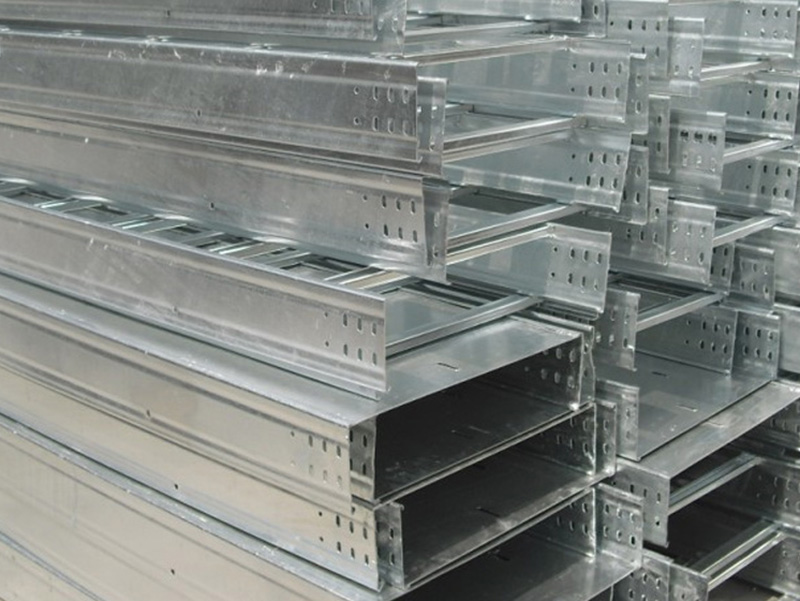
梯級(jí)式橋架相比槽式橋架具有天然散熱優(yōu)勢(shì),其開(kāi)放式結(jié)構(gòu)可使空氣流通面積提升60%以上,配合每層50-80mm的間距設(shè)計(jì),能有效形成垂直通風(fēng)通道。對(duì)于建議使用槽式橋架的場(chǎng)景,應(yīng)優(yōu)先選擇帶散熱孔的型號(hào),孔徑建議控制在10-15mm,間距不大于50mm,確保散熱與防護(hù)的平衡。此外,橋架高度每增加50mm,內(nèi)部空氣容積率可提升20%,為散熱預(yù)留更多空間。
Compared to trough type cable trays, cascade type cable trays have natural heat dissipation advantages. Their open structure can increase the air circulation area by more than 60%, and with a spacing design of 50-80mm per layer, they can effectively form vertical ventilation channels. For scenarios that require the use of trough type cable trays, priority should be given to models with heat dissipation holes. It is recommended to control the hole diameter within 10-15mm and the spacing should not exceed 50mm to ensure a balance between heat dissipation and protection. In addition, for every 50mm increase in the height of the bridge, the internal air volume ratio can be increased by 20%, leaving more space for heat dissipation.
安裝工藝影響散熱效果
The installation process affects the heat dissipation effect
橋架敷設(shè)時(shí)需保持與建筑結(jié)構(gòu)的合理間距,頂部距樓板應(yīng)留有200mm以上空隙,側(cè)面距墻面不小于100mm,避免形成熱空氣滯留區(qū)。在電纜填充率控制上,應(yīng)遵循“下層密上層疏”原則,底層填充率不超過(guò)30%,上層可放寬至45%,利用熱空氣上升特性形成自然對(duì)流。對(duì)于大電流電纜,建議采用“品”字形排列替代傳統(tǒng)平鋪方式,提升電纜間散熱間隙。
When laying cable trays, it is necessary to maintain a reasonable distance from the building structure. The top should have a gap of at least 200mm from the floor slab, and the side should be no less than 100mm from the wall to avoid the formation of a hot air retention zone. In the control of cable filling rate, the principle of "dense lower layer and sparse upper layer" should be followed. The filling rate of the lower layer should not exceed 30%, and the filling rate of the upper layer can be relaxed to 45%, utilizing the rising characteristics of hot air to form natural convection. For high current cables, it is recommended to use a "cross" shaped arrangement instead of the traditional flat layout method to increase the heat dissipation gap between cables.
特殊場(chǎng)景強(qiáng)化散熱方案
Special scenario enhanced heat dissipation solution
在高溫機(jī)房或室外暴曬環(huán)境,可在橋架表面涂覆紅外輻射散熱涂料,通過(guò)增強(qiáng)熱輻射能力提升散熱效率。對(duì)于密集型數(shù)據(jù)中心,可考慮在橋架底部加裝U型導(dǎo)熱鋁板,將熱量直接傳導(dǎo)至機(jī)房冷通道。若環(huán)境溫度持續(xù)超過(guò)40℃,建議配置橋架專用散熱風(fēng)機(jī),采用溫感控制實(shí)現(xiàn)按需通風(fēng),避免持續(xù)運(yùn)行帶來(lái)的能耗問(wèn)題。
In high-temperature computer rooms or outdoor exposure environments, infrared radiation heat dissipation coatings can be applied to the surface of bridge frames to enhance heat radiation capabilities and improve heat dissipation efficiency. For dense data centers, it may be considered to install U-shaped heat-conducting aluminum plates at the bottom of the cable tray to directly conduct heat to the cold aisle of the computer room. If the ambient temperature continues to exceed 40 ℃, it is recommended to install a dedicated cooling fan for the bridge frame and use temperature sensing control to achieve on-demand ventilation, avoiding energy consumption problems caused by continuous operation.
通過(guò)科學(xué)選材、結(jié)構(gòu)優(yōu)化和規(guī)范安裝,可顯著提升電纜橋架的散熱性能。實(shí)際操作中需結(jié)合負(fù)載電流、環(huán)境溫度等參數(shù)進(jìn)行綜合計(jì)算,必要時(shí)可借助熱成像儀進(jìn)行現(xiàn)場(chǎng)測(cè)試,確保橋架系統(tǒng)始終處于安全溫升范圍內(nèi)。
Through scientific material selection, structural optimization, and standardized installation, the heat dissipation performance of cable trays can be significantly improved. In practical operation, comprehensive calculations should be made based on parameters such as load current and ambient temperature. If necessary, thermal imaging instruments can be used for on-site testing to ensure that the bridge system is always within the safe temperature rise range.
本文由濟(jì)南電纜橋架友情奉獻(xiàn).更多有關(guān)的知識(shí)請(qǐng)點(diǎn)擊:http://www.ymmgjx.net我們將會(huì)對(duì)您提出的疑問(wèn)進(jìn)行詳細(xì)的解答,歡迎您登錄網(wǎng)站留言.
This article is a friendly contribution from Shandong Cable Bridge For more information, please click: http://www.ymmgjx.net We will provide detailed answers to your questions. You are welcome to log in to our website and leave a message
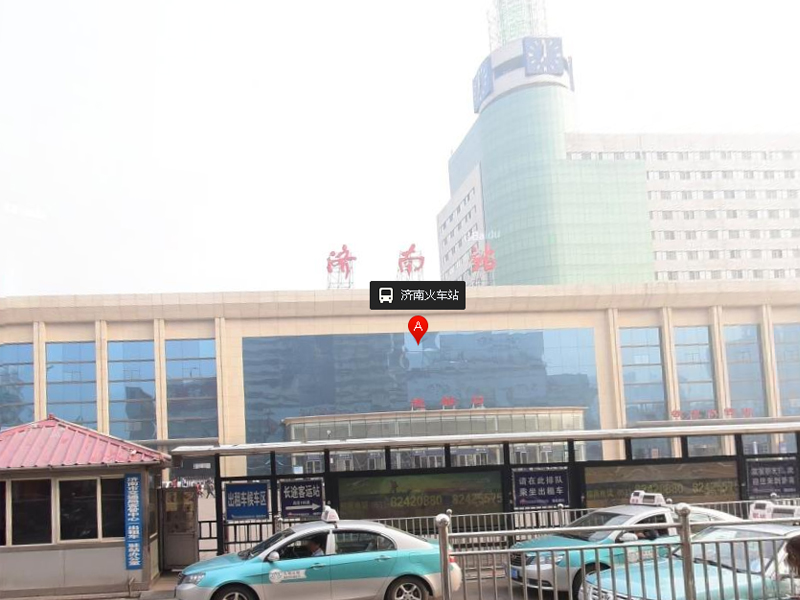 濟(jì)南火車站
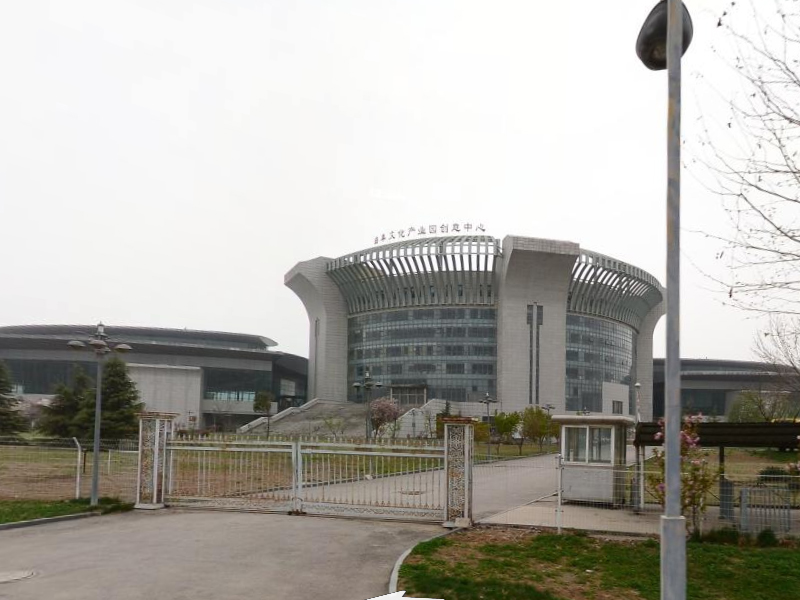 曲阜孔子文化會(huì)展中心
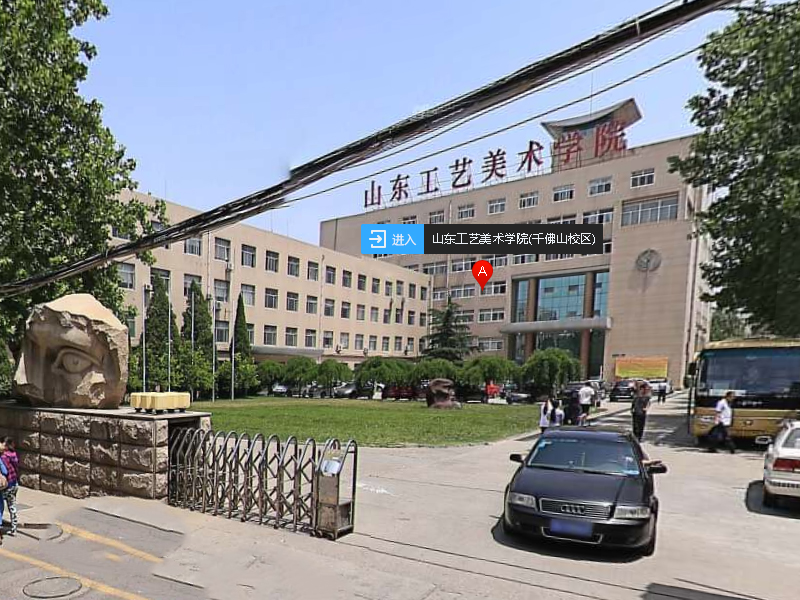 山東工藝美院
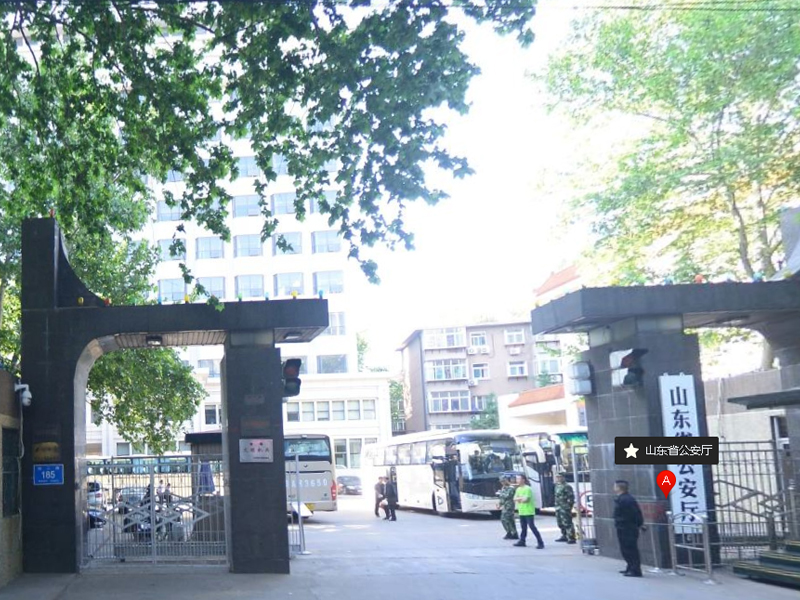 公安廳服務(wù)展示
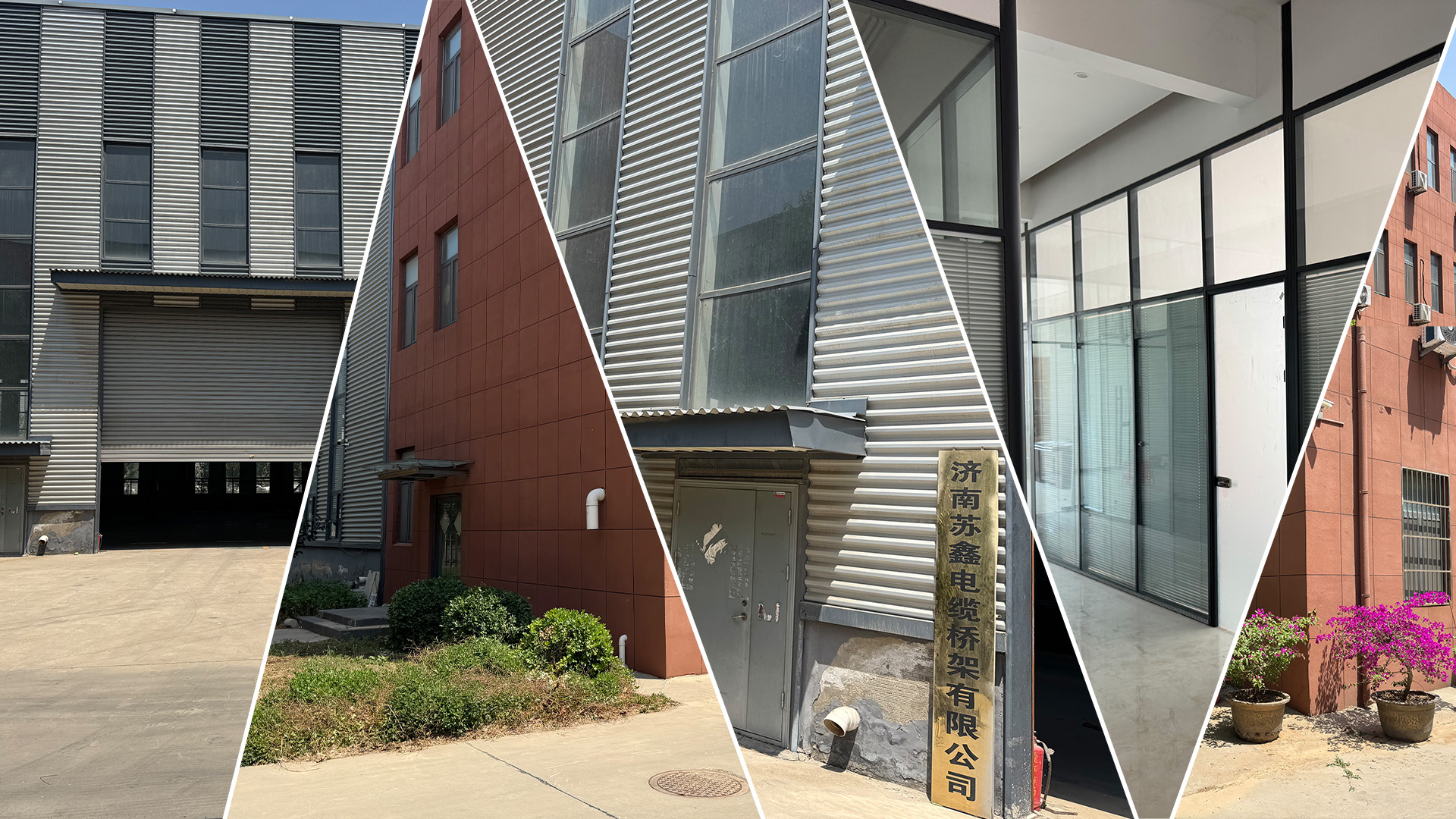 梯式橋架:工業(yè)動(dòng)力的“呼吸”骨架
在建筑電氣與工業(yè)廠房的龐大系統(tǒng)中,電纜橋架猶如人體的血管,負(fù)責(zé)輸送持續(xù)供應(yīng)的動(dòng)力與信號(hào)。而在眾多橋架類型中,梯式橋架憑借其獨(dú)特的結(jié)構(gòu)設(shè)計(jì),成為了大截面動(dòng)力電纜的絕佳載體。In the vast sys
TIME:2026-06-22
服務(wù)熱線:0531-85767688
售后電話:15668327566
公司網(wǎng)址:http://www.ymmgjx.net/
聯(lián)系基地:山東省 德州市協(xié)同發(fā)展產(chǎn)業(yè)園D06幢
本網(wǎng)站部分內(nèi)容來(lái)源于網(wǎng)絡(luò),如有侵權(quán)請(qǐng)告知!我們立即刪除;本網(wǎng)站嚴(yán)格遵循國(guó)家相關(guān)法律法規(guī)規(guī)定,如有不當(dāng)之處,請(qǐng)告知!我們立即刪除。
網(wǎng)站備案:魯ICP備2022033215號(hào)
濟(jì)南蘇鑫電纜橋架有限公司