濟南蘇鑫電纜橋架有限公司
客戶咨詢熱線
0531-85767688
售后熱線:15668327566
聯系基地:山東省 德州市協同發展產業園D06幢
文章來源:http://www.ymmgjx.net/?? 作者:電纜橋架廠家發布時間:2026-02-02?瀏覽次數:1
別再搞混!山東電纜橋架:吊架與支架的區別,一文吃透
Don't confuse anymore! Shandong cable tray: the difference between hangers and brackets, fully understood in one article
在山東建筑施工、工業廠房、變電站等場景中,電纜橋架是電力布線的核心載體,而吊架與支架作為配套的支撐結構,常常被大家混為一談。不少工程人員在選型時盲目搭配,不僅影響電纜系統的穩定性,還可能留下安全隱患。今天就跟大伙嘮透,山東電纜橋架吊架與支架的核心區別,教大家合理選型、合理搭配,筑牢電纜布線的安全防線。
In construction, industrial plants, substations and other scenarios in Shandong, cable trays are the core carrier of power wiring, while hangers and brackets are often confused as supporting structures. Many engineering personnel blindly mix and match when selecting cables, which not only affects the stability of the cable system, but may also leave safety hazards. Today, I will talk to you about the core differences between cable tray hangers and brackets in Shandong. I will teach you how to accurately select and reasonably match them, and build a safe defense line for cable wiring.
首先要明確,吊架和支架雖都是電纜管理系統的“輔助幫手”,但核心定位完全不同——二者一個側重“懸掛”,一個側重“支撐”,適配場景、功能用途差異顯著,不能隨意替換使用,這也是山東工程布線中非常容易踩的誤區之一。
Firstly, it should be clarified that although hangers and brackets are both "auxiliary helpers" of cable management systems, their core positioning is completely different - one focuses on "suspension" and the other focuses on "support", with significant differences in adaptation scenarios and functional uses, and cannot be replaced and used arbitrarily. This is also one of the most common misconceptions in Shandong engineering wiring.
先說說電纜橋架吊架,它的核心功能是“懸掛固定”,主打高空布線場景,在山東大型廠房、寫字樓、商場等層高較高的建筑中十分常見。吊架通常安裝在天花板或兩側墻體的高空結構上,通過吊桿、鏈條等部件,將電纜橋架及橋架上的電纜整體懸掛起來,牢牢固定在合適高度,全程承擔橋架與電纜的雙重重量,相當于給電纜橋架搭起“空中支架”。
First, let's talk about cable tray hangers. Their core function is to "suspend and fix", and they are mainly used in high-altitude wiring scenarios. They are very common in high-rise buildings such as large factories, office buildings, and shopping malls in Shandong. Hangers are usually installed on high-altitude structures such as ceilings or walls on both sides. They suspend cable trays and cables on the trays as a whole through components such as hangers and chains, firmly fixing them at a suitable height and bearing the dual weight of the trays and cables throughout the entire process, which is equivalent to setting up an "aerial support" for cable trays.
對山東工程而言,吊架的優勢十分突出。一方面能充分利用高空空間,避免地面、墻面布線的局限,尤其適合車間、廠房等地面設備密集、需預留作業空間的場景;另一方面,懸掛式安裝便于后期電纜檢修、維護和擴容,不用拆卸地面或墻面設施,大幅提升運維效率。此外,吊架的承重設計貼合山東工業場景的高強度需求,能有效應對電纜疊加的重量,防止橋架脫落、移位,保障電纜安全運行。
For Shandong Engineering, the advantages of hangers are very prominent. On the one hand, it can fully utilize the high-altitude space and avoid the limitations of ground and wall wiring, especially suitable for scenarios with dense ground equipment such as workshops and factories that require reserved work space; On the other hand, suspended installation facilitates cable maintenance, upkeep, and expansion in the later stage, without the need to dismantle ground or wall facilities, greatly improving operation and maintenance efficiency. In addition, the load-bearing design of the hanger is in line with the high-strength requirements of Shandong's industrial scene, which can effectively cope with the weight of cable stacking, prevent the bridge from falling off or shifting, and ensure the safe operation of cables.
再看電纜支架,它與吊架的核心差異的是“落地/貼墻支撐”,主打近距離固定電纜,無需搭配橋架使用,直接對接電纜本身。支架通常安裝在地面、墻面或電纜溝內,為電纜提供穩定的平面支撐,核心作用是固定電纜、防止其因重力下垂,或是受風雨、外力影響出現移位、磨損,更側重對電纜的連接與防護。
Looking at the cable bracket again, the core difference between it and the hanger is the "floor/wall support", which focuses on fixing cables at close range without the need for a cable tray, and directly connects to the cable itself. Brackets are usually installed on the ground, walls, or cable trenches to provide stable flat support for cables. Their core function is to fix cables, prevent them from sagging due to gravity, or from shifting or wearing out due to wind, rain, or external forces. They focus more on connecting and protecting cables.
電纜支架適配場景更偏向中低空布線,比如山東住宅小區的樓道、小型機房、電纜溝等場所,尤其適合需要快速布線、電纜數量較少的場景。它的安裝流程相對簡單,不用復雜的高空作業,能快速完成固定,同時可根據電纜走向靈活調整安裝位置,兼顧便捷性與實用性。不過要注意,支架僅能承載電纜重量,無法支撐電纜橋架,不能替代吊架使用。
The adaptation scenarios of cable supports are more inclined towards mid to low altitude wiring, such as corridors, small computer rooms, cable trenches, and other places in residential communities in Shandong, especially suitable for scenarios that require fast wiring and a small number of cables. Its installation process is relatively simple, without complex high-altitude operations, and can be quickly fixed. At the same time, the installation position can be flexibly adjusted according to the cable route, balancing convenience and practicality. However, it should be noted that the bracket can only bear the weight of the cable and cannot support the cable tray, and cannot replace the hanger for use.
很多山東工程人員容易陷入誤區,要么用支架替代吊架懸掛橋架,導致承重不足引發安全事故;要么盲目選用吊架,忽略場景適配性增加施工成本。其實二者搭配使用才能發揮非常大效用——比如山東大型化工園區,高空用吊架懸掛電纜橋架,承載大量電力電纜;地面、電纜溝內用支架固定零散電纜,兼顧高空布線與近距離防護,提升整個電纜系統的安全性和可靠性。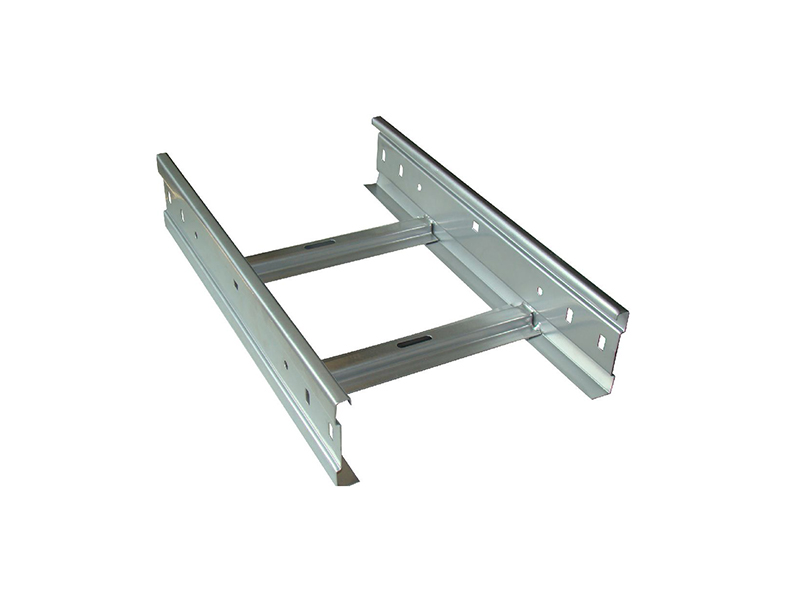
Many Shandong engineering personnel are prone to falling into the trap of using brackets instead of hangers to suspend bridge frames, resulting in insufficient load-bearing capacity and causing safety accidents; Either blindly selecting hangers and ignoring the adaptability of the scene will increase construction costs. In fact, the combination of the two can maximize their effectiveness - for example, in a large chemical industrial park in Shandong, cable trays are suspended from high altitude using hangers to carry a large number of power cables; Use brackets to fix scattered cables on the ground and in cable trenches, taking into account both high-altitude wiring and close range protection, to enhance the safety and reliability of the entire cable system.
還要提醒山東工程從業者,選型時需結合場景、承重需求合理判斷:高空布線、需承載橋架與多根電纜,優先選吊架;地面/墻面布線、僅固定單根或少量電纜,選用支架即可。同時,要選用符合山東工業標準的產品,確保材質耐用、承重達標,適配化工、制造業等復雜工況的腐蝕、高溫環境。
It is also necessary to remind engineering practitioners in Shandong to accurately judge the selection based on the scenario and load-bearing requirements: for high-altitude wiring, cable trays and multiple cables that need to be carried, priority should be given to selecting hangers; Ground/wall wiring, only fixing a single or a small number of cables, using brackets is sufficient. At the same time, products that meet Shandong's industrial standards should be selected to ensure durability and load-bearing capacity, and to adapt to the corrosive and high-temperature environments of complex working conditions such as chemical and manufacturing industries.
總結來說,山東電纜橋架吊架與支架,雖都服務于電纜管理,但一個“懸在空中承重量”,一個“貼墻落地護線纜”,功能、場景各有側重。合理區分二者差異,合理搭配使用,既能避免選型失誤,又能提升電纜系統的穩定性,助力山東各類工程規范布線、安全運維。
In summary, although the cable tray hangers and brackets in Shandong serve cable management, one is "suspended in the air to support weight" and the other is "attached to walls and floors to protect cables", with different functions and scenarios. Accurately distinguishing the differences between the two and using them in a reasonable way can not only avoid selection errors, but also improve the stability of the cable system, and help various engineering projects in Shandong to standardize wiring and ensure safe operation and maintenance.
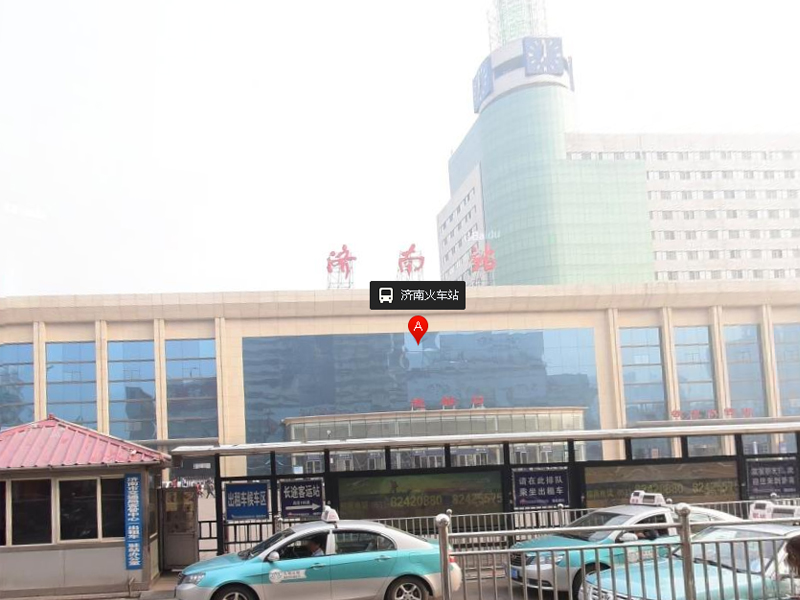 濟南火車站
濟南火車站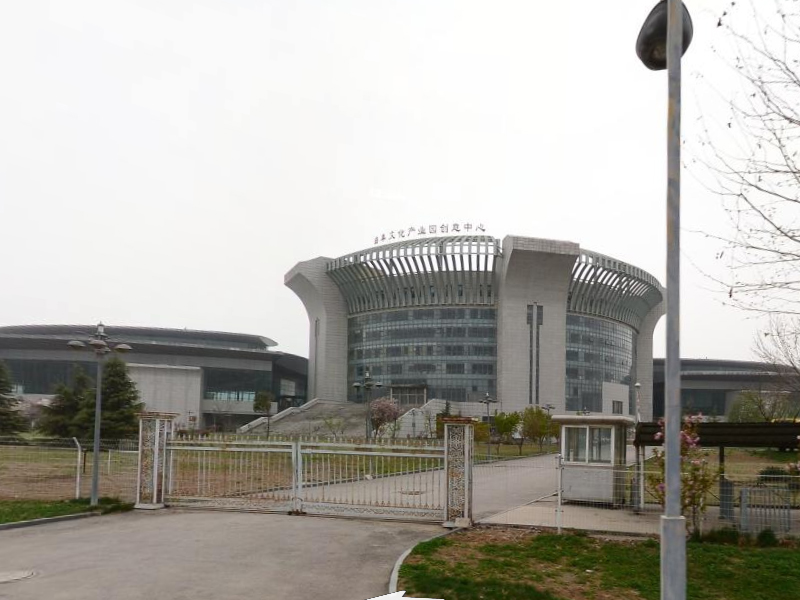 曲阜孔子文化會展中心
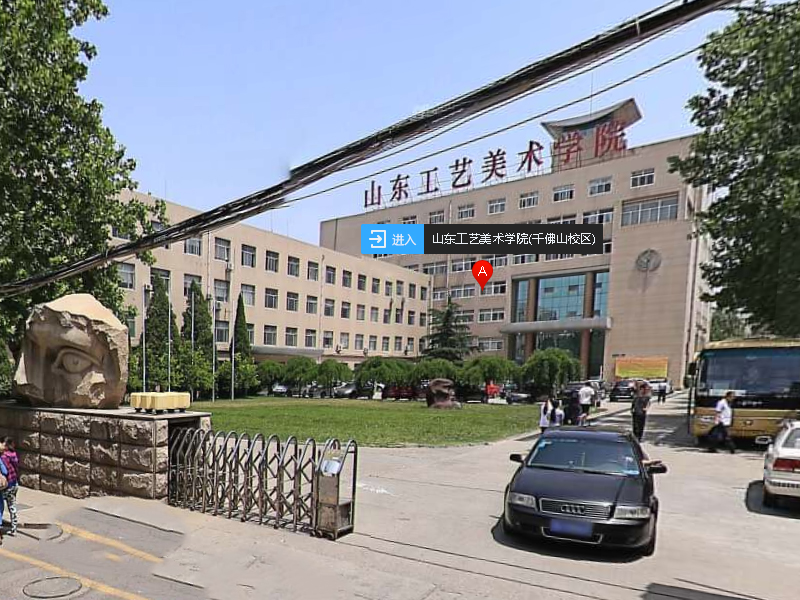 山東工藝美院
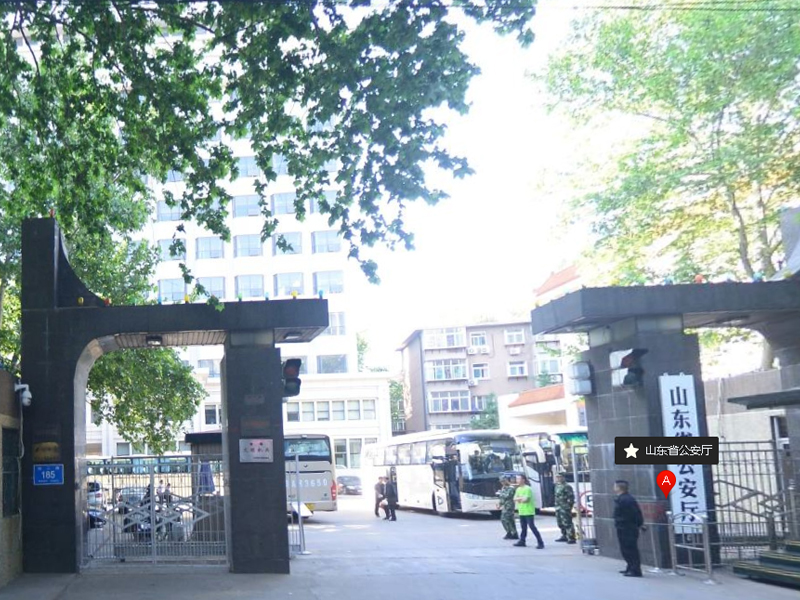 公安廳服務展示
 梯式橋架:工業動力的“呼吸”骨架
在建筑電氣與工業廠房的龐大系統中,電纜橋架猶如人體的血管,負責輸送持續供應的動力與信號。而在眾多橋架類型中,梯式橋架憑借其獨特的結構設計,成為了大截面動力電纜的絕佳載體。In the vast sys
TIME:2026-06-22
本網站部分內容來源于網絡,如有侵權請告知!我們立即刪除;本網站嚴格遵循國家相關法律法規規定,如有不當之處,請告知!我們立即刪除。
網站備案:魯ICP備2022033215號
濟南蘇鑫電纜橋架有限公司