歡迎您光臨濟(jì)南蘇鑫電纜橋架有限公司網(wǎng)站!
濟(jì)南蘇鑫電纜橋架有限公司
客戶咨詢熱線
0531-85767688
售后熱線:15668327566
聯(lián)系基地:山東省 德州市協(xié)同發(fā)展產(chǎn)業(yè)園D06幢
文章來源:http://www.ymmgjx.net/?? 作者:電纜橋架廠家發(fā)布時(shí)間:2025-07-21?瀏覽次數(shù):1
在電氣布線系統(tǒng)中,電纜橋架和支架都是不可或缺的組成部分,但二者在功能定位、結(jié)構(gòu)組成、應(yīng)用場(chǎng)景等方面存在顯著差異。明確二者的區(qū)別,有助于在實(shí)際工程中正確選擇和使用,確保電纜敷設(shè)的安全與出色。
In electrical wiring systems, cable trays and brackets are indispensable components, but there are significant differences between the two in terms of functional positioning, structural composition, and application scenarios. Clarifying the difference between the two is helpful for selecting and using them correctly in practical engineering, ensuring the safety and efficiency of cable laying.
功能定位的不同是電纜橋架與支架非常核心的區(qū)別。電纜橋架是一個(gè)完整的結(jié)構(gòu)化系統(tǒng),其主要功能是為電纜提供多維度的支撐、保護(hù)和管理。它不僅能承載電纜的重量,還能通過自身的框架結(jié)構(gòu)將電纜有序排列,避免線纜雜亂纏繞,同時(shí)在一定程度上抵御外界環(huán)境的影響,如灰塵、水汽、機(jī)械碰撞等。此外,電纜橋架還為電纜的敷設(shè)、檢修和擴(kuò)容提供了便利的通道,是電纜運(yùn)行的 “載體”。而支架的功能相對(duì)單一,主要是作為支撐構(gòu)件,將電纜或電纜橋架固定在墻體、天花板、地面等基礎(chǔ)結(jié)構(gòu)上,僅起到承載和固定的作用,不具備對(duì)電纜的管理和保護(hù)功能。簡(jiǎn)單來說,橋架是電纜的 “運(yùn)行軌道”,而支架是 “軌道的固定裝置”。
The difference in functional positioning is the core difference between cable trays and brackets. Cable tray is a complete structured system, whose main function is to provide comprehensive support, protection, and management for cables. It can not only bear the weight of cables, but also arrange them in an orderly manner through its own frame structure, avoiding tangled cables and to some extent resisting external environmental influences such as dust, water vapor, mechanical collisions, etc. In addition, cable trays provide convenient channels for cable laying, maintenance, and expansion, serving as the "carrier" for cable operation. The function of the bracket is relatively single, mainly serving as a supporting component to fix cables or cable trays to basic structures such as walls, ceilings, and floors. It only plays a role in bearing and fixing, and does not have the function of managing and protecting cables. Simply put, the cable tray is the "running track" of the cable, while the bracket is the "fixing device of the track".
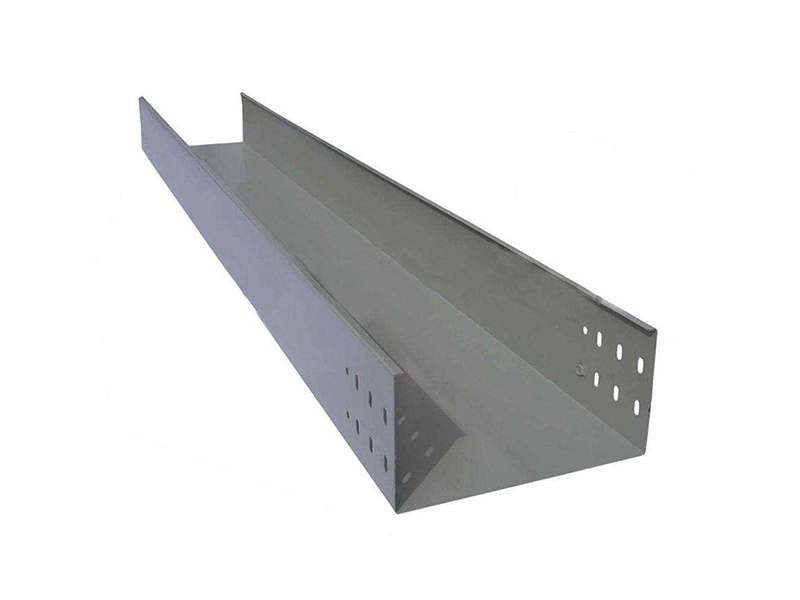
結(jié)構(gòu)組成上,電纜橋架具有更復(fù)雜和完整的體系。它通常由托盤、梯架、槽體等主體部分,以及支架、托臂、連接件、蓋板等輔助配件共同構(gòu)成。主體部分根據(jù)不同的結(jié)構(gòu)形式(如托盤式、梯架式、槽式),設(shè)計(jì)有特定的承載和防護(hù)結(jié)構(gòu),能夠直接容納和約束電纜;輔助配件則用于實(shí)現(xiàn)橋架的安裝固定、路徑延伸和防護(hù)增強(qiáng)。而支架的結(jié)構(gòu)相對(duì)簡(jiǎn)單,多為單個(gè)或成組的桿狀、板狀構(gòu)件,如角鐵支架、槽鋼支架等,通過焊接或螺栓連接固定在基礎(chǔ)結(jié)構(gòu)上,其結(jié)構(gòu)設(shè)計(jì)僅以滿足承載強(qiáng)度為核心,沒有復(fù)雜的輔助配件。
In terms of structural composition, cable trays have a more complex and complete system. It usually consists of main parts such as trays, ladders, and troughs, as well as auxiliary accessories such as brackets, support arms, connectors, and cover plates. The main body is designed with specific load-bearing and protective structures based on different structural forms, such as tray type, ladder type, and trough type, which can directly accommodate and restrain cables; Auxiliary accessories are used to achieve the installation and fixation, path extension, and protection enhancement of the bridge frame. The structure of the bracket is relatively simple, mostly consisting of single or grouped rod-shaped or plate-shaped components, such as angle iron brackets, channel steel brackets, etc., which are fixed to the foundation structure through welding or bolt connections. Its structural design is only focused on meeting the load-bearing strength, without complex auxiliary accessories.
在應(yīng)用方式上,電纜橋架和支架的配合與獨(dú)立使用情況不同。電纜橋架可以獨(dú)立實(shí)現(xiàn)電纜的敷設(shè),其自身的框架結(jié)構(gòu)能夠直接承載電纜,支架僅作為橋架的固定輔助。例如,在大型廠房的電纜敷設(shè)中,橋架通過支架固定在廠房頂部,電纜則直接放置在橋架內(nèi)部。而支架除了支撐橋架外,也可以單獨(dú)用于電纜的敷設(shè),即 “電纜直接敷設(shè)在用支架支撐的明敷方式”,此時(shí)電纜直接綁扎在支架上,由支架承擔(dān)電纜的重量。但這種方式僅適用于電纜數(shù)量少、敷設(shè)路徑簡(jiǎn)單的場(chǎng)景,當(dāng)電纜數(shù)量多、規(guī)格復(fù)雜時(shí),建議依賴電纜橋架進(jìn)行有序管理,支架則作為橋架的支撐輔助存在。
In terms of application, the coordination and independent use of cable trays and brackets are different. Cable trays can independently lay cables, and their own frame structure can directly support cables. The brackets only serve as fixing aids for the trays. For example, in the cable laying of large factories, the cable tray is fixed to the top of the factory through brackets, and the cables are directly placed inside the cable tray. In addition to supporting the cable tray, the bracket can also be used separately for cable laying, that is, "the cable is directly laid in the exposed laying method supported by the bracket". At this time, the cable is directly tied to the bracket, and the weight of the cable is borne by the bracket. But this method is only suitable for scenarios where the number of cables is small and the laying path is simple. When the number of cables is large and the specifications are complex, it is necessary to rely on cable trays for orderly management, and brackets serve as auxiliary supports for the trays.
適用場(chǎng)景的差異也體現(xiàn)了二者的區(qū)別。電纜橋架適用于電纜數(shù)量多、規(guī)格多樣、敷設(shè)路徑復(fù)雜的場(chǎng)合,如高層建筑、工業(yè)車間、大型商場(chǎng)等。在這些場(chǎng)景中,電纜需要分層次、分區(qū)域敷設(shè),橋架的結(jié)構(gòu)化設(shè)計(jì)能確保線纜有序排列,便于管理和維護(hù)。而支架更適合電纜數(shù)量少、敷設(shè)路徑簡(jiǎn)單的情況,如小型建筑的局部電纜敷設(shè)、戶外簡(jiǎn)單線路架設(shè)等。此外,在環(huán)境條件特殊的場(chǎng)合,如潮濕、腐蝕環(huán)境,電纜橋架會(huì)采用相應(yīng)的防腐材質(zhì)(如玻璃鋼、鋁合金),并通過自身的封閉結(jié)構(gòu)提供防護(hù);而支架則僅作為固定構(gòu)件,其材質(zhì)選擇以滿足支撐強(qiáng)度和耐腐蝕性為主,不直接參與對(duì)電纜的防護(hù)。
The difference in applicable scenarios also reflects the difference between the two. Cable trays are suitable for occasions with a large number of cables, diverse specifications, and complex laying paths, such as high-rise buildings, industrial workshops, large shopping malls, etc. In these scenarios, cables need to be laid in layers and zones, and the structured design of cable trays can ensure that cables are arranged in an orderly manner, making it easy to manage and maintain. And the bracket is more suitable for situations where the number of cables is small and the laying path is simple, such as local cable laying in small buildings, outdoor simple line installation, etc. In addition, in special environmental conditions such as humid and corrosive environments, cable trays will use corresponding anti-corrosion materials (such as fiberglass, aluminum alloy) and provide protection through their own enclosed structure; The bracket is only used as a fixed component, and its material selection is mainly based on meeting the requirements of supporting strength and corrosion resistance, without directly participating in the protection of the cable.
本文由山東電纜橋架友情奉獻(xiàn).更多有關(guān)的知識(shí)請(qǐng)點(diǎn)擊:http://www.ymmgjx.net我們將會(huì)對(duì)您提出的疑問進(jìn)行詳細(xì)的解答,歡迎您登錄網(wǎng)站留言.
This article is a friendly contribution from Shandong Cable Bridge For more information, please click: http://www.ymmgjx.net We will provide detailed answers to your questions. You are welcome to log in to our website and leave a message
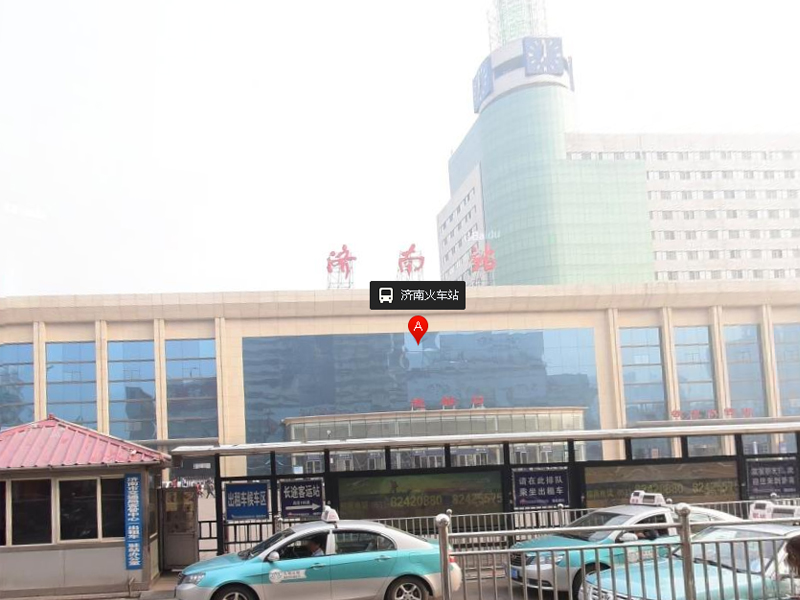 濟(jì)南火車站
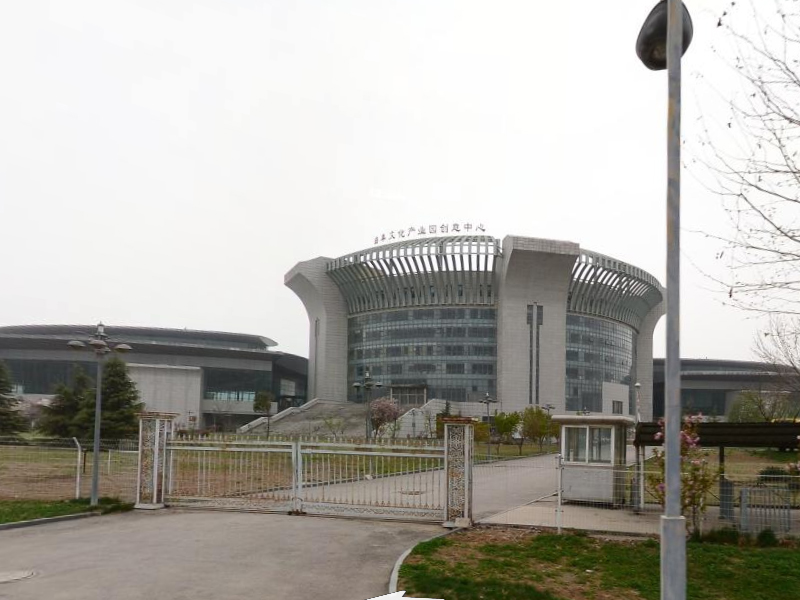 曲阜孔子文化會(huì)展中心
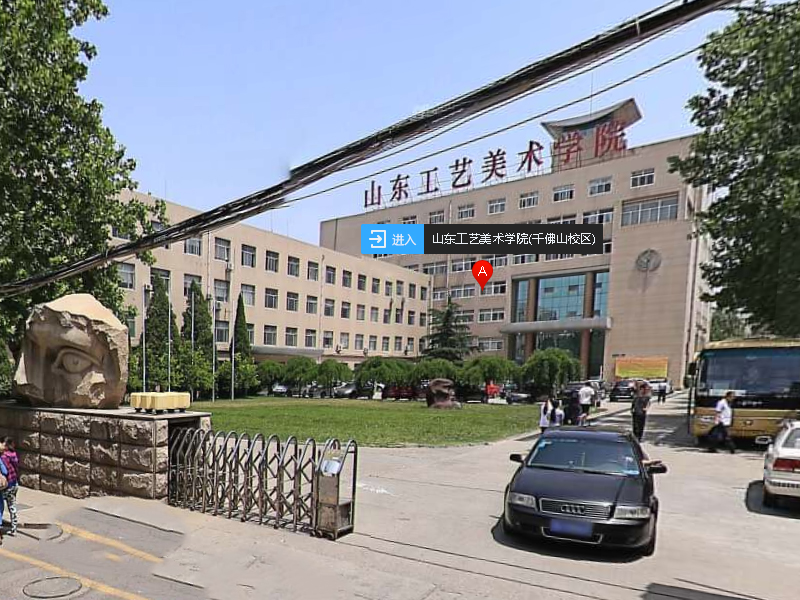 山東工藝美院
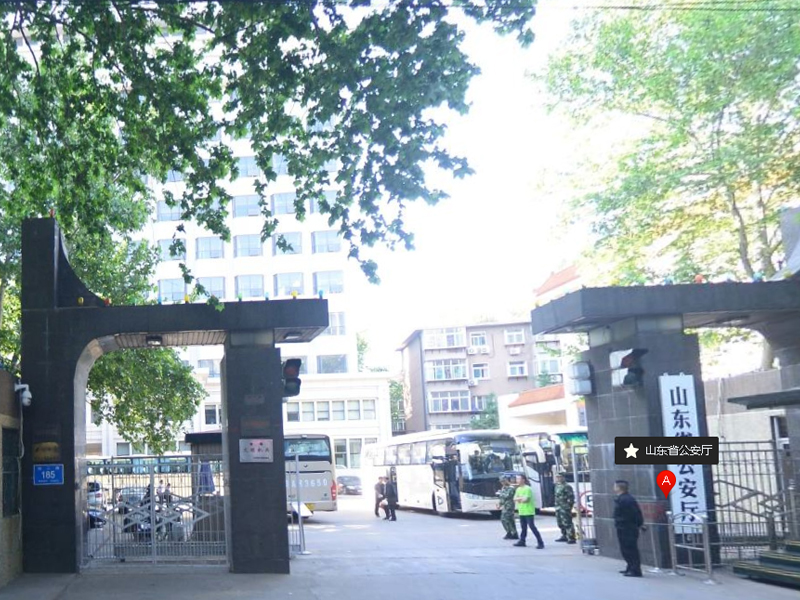 公安廳服務(wù)展示
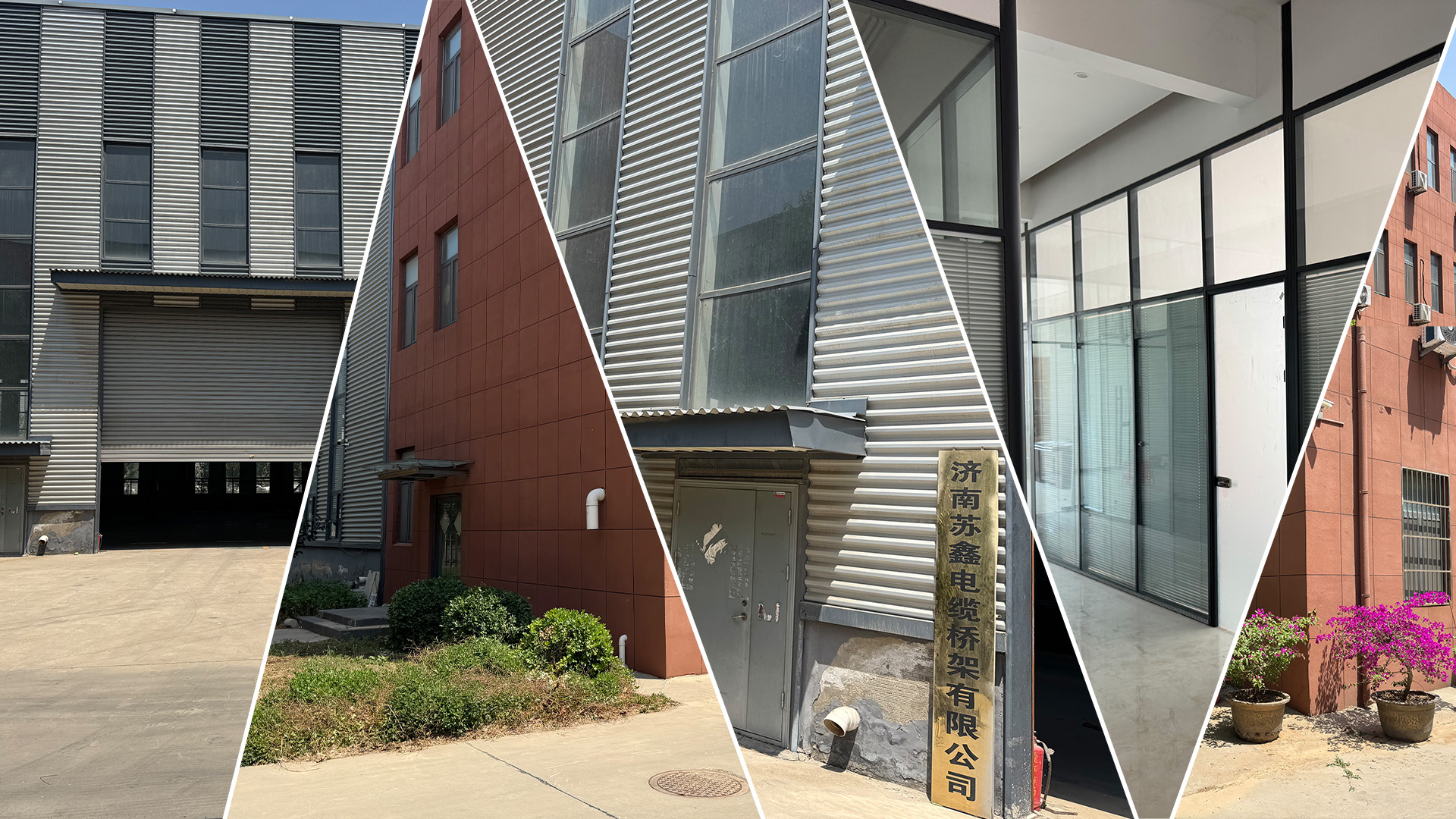 梯式橋架:工業(yè)動(dòng)力的“呼吸”骨架
在建筑電氣與工業(yè)廠房的龐大系統(tǒng)中,電纜橋架猶如人體的血管,負(fù)責(zé)輸送持續(xù)供應(yīng)的動(dòng)力與信號(hào)。而在眾多橋架類型中,梯式橋架憑借其獨(dú)特的結(jié)構(gòu)設(shè)計(jì),成為了大截面動(dòng)力電纜的絕佳載體。In the vast sys
TIME:2026-06-22
服務(wù)熱線:0531-85767688
售后電話:15668327566
公司網(wǎng)址:http://www.ymmgjx.net/
聯(lián)系基地:山東省 德州市協(xié)同發(fā)展產(chǎn)業(yè)園D06幢
本網(wǎng)站部分內(nèi)容來源于網(wǎng)絡(luò),如有侵權(quán)請(qǐng)告知!我們立即刪除;本網(wǎng)站嚴(yán)格遵循國(guó)家相關(guān)法律法規(guī)規(guī)定,如有不當(dāng)之處,請(qǐng)告知!我們立即刪除。
網(wǎng)站備案:魯ICP備2022033215號(hào)
濟(jì)南蘇鑫電纜橋架有限公司